California AB 288 & Worker Rights: What Employees Need to Know in 2025
October 15, 2025
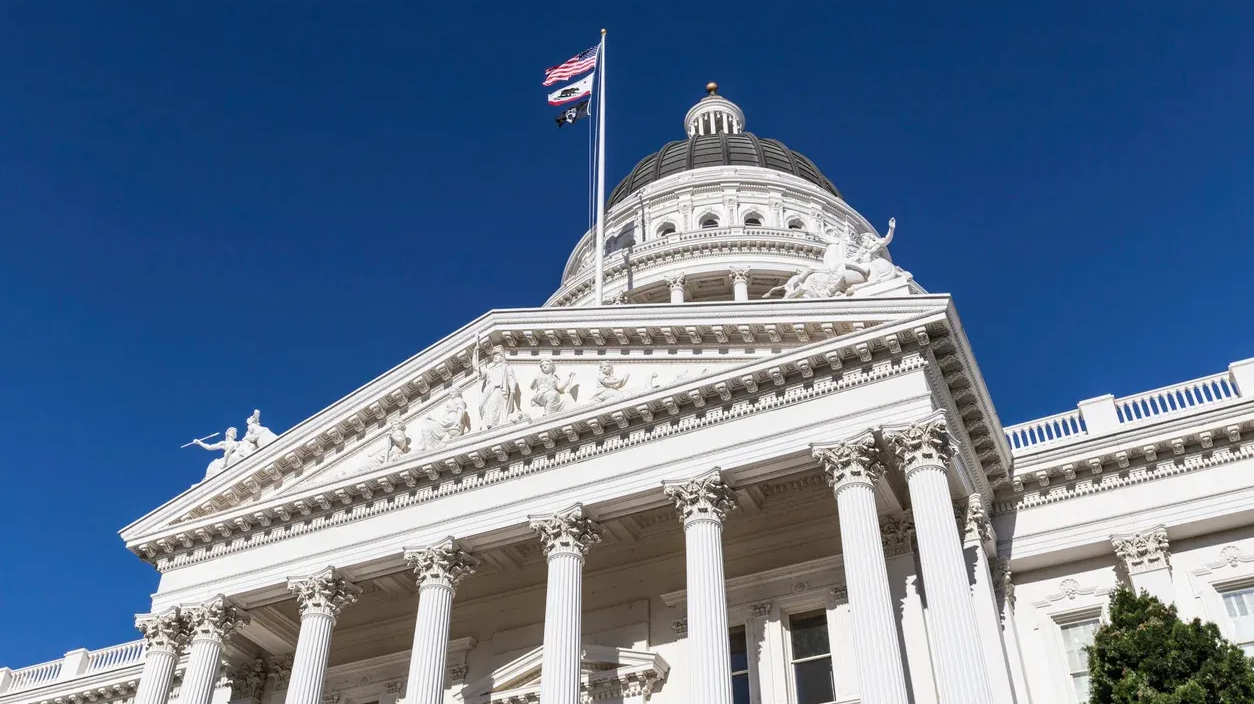
California State Capitol building with the state flag waving against a blue sky.

California has passed a new law that gives the state power to protect workers when the federal government can’t or won’t.


Gov. Gavin Newsom recently signed Assembly Bill 288 (AB 288), which lets California’s Public Employment Relations Board (PERB) handle workplace complaints that would normally go to the National Labor Relations Board (NLRB). The move comes after the NLRB lost its quorum under the Trump administration, leaving thousands of labor cases unresolved.


Under AB 288, if the NLRB fails to act on a complaint for six months or can’t function due to vacant seats, workers and unions can take their cases directly to PERB. The agency can investigate, issue penalties, and order remedies — ensuring employees don’t lose their rights to organize or report unfair treatment.


Supporters say the law keeps California workers protected while the federal system is stalled. “We will not sit idly by while our workers are being exploited,” said Assemblymember Tina McKinnor (D-Inglewood), who authored the bill.


Critics, including the California Chamber of Commerce, argue the measure is unconstitutional because labor relations fall under federal jurisdiction through the National Labor Relations Act (NLRA). Legal experts expect a court battle similar to one already underway in New York over a comparable law.


If upheld, AB 288 could make California one of the most pro-worker states in the country, giving unions and employees a faster, state-level path to justice when federal agencies fail to act.


Read more at Times of San Diego.

Share on Social Media

May 5, 2026
Can your employer legally fire you after you return from military service? In most cases, no. Federal law protects service members from job loss tied to their military obligations, and that protection is broader than most people realize. If you were fired due to military obligations, or treated worse after coming back from active duty, your employer may have crossed a line that carries real legal consequences. The problem is that wrongful termination of military personnel rarely looks like an open admission. It usually shows up as a sudden restructuring, a vague performance issue, or a position that was "eliminated" while you were away. By the time you piece it together, weeks have passed and evidence starts to disappear. That is why the steps you take in the first days after coming home matter so much.
April 28, 2026
What should you know about unemployment benefits in California before you file a claim? If you were recently laid off or terminated, the first thing to understand is that unemployment benefits in California are not automatic. You have to qualify based on how you lost your job, how much you earned, and whether you’re actively looking for work. The system is run by the California Employment Development Department (EDD), and they review every claim carefully. If something doesn’t line up - your reason for termination, your wages, or your job search activity - your claim can be delayed or denied.  The second thing to know is timing matters more than most people realize. Filing late, entering incorrect information, or misunderstanding your eligibility can cost you weeks of benefits. A lot of workers assume the process is simple. It’s not. It’s administrative, detailed, and strict. If you treat it casually, you can lose money you would have otherwise received.
April 21, 2026
How do you recognize workplace discrimination in California, and what should you do if you think it’s happening to you? Workplace discrimination in California is not always obvious. It’s often subtle, repeated over time, and explained away as “business decisions.” But the law is clear. Employers cannot treat you differently because of protected characteristics like race, gender, age, disability, religion, sexual orientation, or medical condition. If your treatment at work changes in a negative way and there’s a pattern tied to one of those factors, that’s where you need to start paying attention.  Understanding workplace discrimination means looking at behavior, not just isolated events. One comment might not be enough. But repeated actions, being passed over, disciplined differently, excluded, or pushed out, can point to a larger issue. The problem is that many employees wait too long to act because they’re unsure what counts or they assume they’re overreacting. That delay can make it harder to prove what actually happened.
More Posts