Is Your Boss Making Work Unbearable on Purpose: Here's When That Becomes Illegal
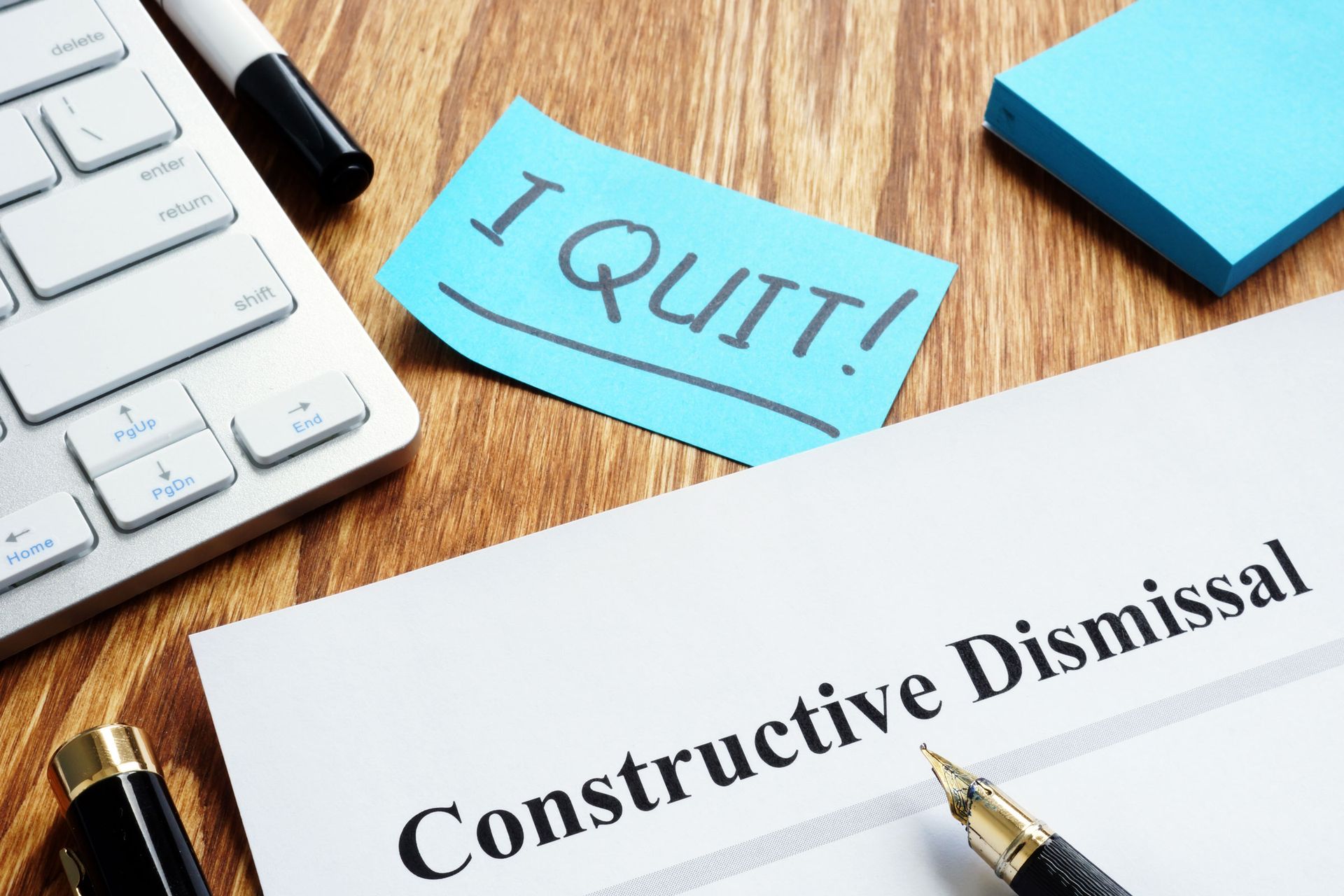
Is your employer trying to force you to quit?
Sometimes employees can feel it happening long before they can prove it.
A manager suddenly stops speaking to them. Responsibilities start disappearing. Negative reviews appear out of nowhere. Hours get cut. Meetings happen without them. At some point, many employees begin wondering whether their employer is trying to make them quit instead of firing them directly.
In California, there are situations where making working conditions so difficult that an employee feels they have no choice but to resign can create legal issues. The legal term often associated with these situations is constructive dismissal, sometimes called constructive discharge. Understanding where the line exists between a difficult workplace and an unlawful one is important.

What Is Constructive Dismissal?
Most people think employment disputes involve someone getting fired. That is not always how workplace disputes happen. Sometimes an employee resigns because staying becomes unbearable.
Constructive dismissal generally refers to situations where working conditions become so intolerable that a reasonable employee would feel forced to quit. In those cases, the law may treat the resignation differently than an ordinary voluntary resignation.
Constructive dismissal claims often involve:
- Severe workplace harassment
- Ongoing discrimination
- Retaliation after reporting workplace concerns
- Significant pay reductions
- Major reductions in responsibilities
- Hostile treatment by management
- Failure to address serious workplace misconduct
Not every unpleasant workplace experience qualifies as constructive dismissal, which is where many employees become confused.
Being Unhappy at Work Is Not the Same as Being Pushed Out
Many employees contact employment lawyers because they dislike their manager or feel they are being treated unfairly. Those concerns may be legitimate, but they do not automatically create a legal claim.
California law generally does not require employers to be fair, friendly, or pleasant. The issue is whether the employer's conduct crossed a legal line and created conditions that would force a reasonable person to resign.
Examples that may not qualify include:
- A demanding supervisor
- Personality conflicts
- Micromanagement
- Unfair criticism
- Being passed over for a promotion
- Office politics
- Disagreements with coworkers
These situations can make work frustrating, but constructive dismissal typically requires something more serious.
Signs Your Employer May Be Trying to Push You Out
Employees often notice patterns before they notice a single major event. A workplace that once felt stable suddenly starts changing, and the changes seem directed at one person.
No single sign automatically proves an employer is trying to force an employee out. However, multiple warning signs appearing together may deserve closer attention.
Common warning signs include:
- Sudden exclusion from meetings
- Removal of job duties
- Significant reductions in hours
- Demotions without explanation
- Repeated disciplinary write-ups
- Negative performance reviews after years of positive feedback
- Being isolated from coworkers
- Public criticism by management
- Being denied opportunities previously available
- Constant scrutiny that other employees do not face
When these actions occur shortly after a complaint or protected activity, additional legal issues may arise.
When Forcing an Employee to Quit Becomes Illegal
The key issue is not simply whether work became unpleasant. The question is why it became unpleasant and whether the employer's actions violated employment laws.
Certain workplace conduct can create legal exposure when it contributes to forcing an employee to resign. California employees often have more protections than they realize.
Situations that may contribute to constructive dismissal claims include:
Discrimination
Employees cannot generally be subjected to adverse treatment because of protected characteristics.
Examples may include:
- Race discrimination
- Age discrimination
- Disability discrimination
- Pregnancy discrimination
- Gender discrimination
- Religious discrimination
Harassment
Persistent harassment can create working conditions that become impossible for employees to tolerate.
Examples may include:
- Offensive comments
- Repeated inappropriate jokes
- Sexual harassment
- Hostile workplace conduct
- Intimidation based on protected characteristics
Retaliation
Retaliation is frequently connected to constructive dismissal claims.
Examples may include:
- Punishment after reporting discrimination
- Discipline after reporting harassment
- Reduced hours after wage complaints
- Demotions after safety complaints
- Negative treatment after requesting protected leave
When these situations become severe enough, employees may feel they have no realistic choice except resignation.
What Courts Often Look At in Constructive Dismissal Cases
Employees sometimes believe that if they felt forced to quit, they automatically have a legal claim. Unfortunately, the analysis is usually more complicated.
Courts often look at the overall circumstances rather than focusing on a single incident. The question often becomes whether a reasonable person in the same situation would have felt compelled to resign.
Factors that may be considered include:
- How severe the conduct was
- How long the conduct lasted
- Whether management knew about the problem
- Whether the employee reported concerns
- Whether the employer attempted to fix the issue
- Whether the employee had realistic alternatives
- Whether the conduct violated employment laws
This is one reason documentation becomes so important.
What Employees Should Do Before Quitting
One of the biggest mistakes employees make is resigning before understanding their legal rights. Once an employee leaves, certain facts can become harder to document and certain opportunities may be lost.
That does not mean employees should remain in harmful situations indefinitely. It means they should understand the situation before making major decisions.
Important steps may include:
Document What Is Happening
Detailed records can become valuable evidence later.
Consider documenting:
- Dates
- Times
- Witnesses
- Emails
- Text messages
- Disciplinary actions
- Performance reviews
Save Relevant Communications
Written communications often provide important context.
Examples include:
- HR complaints
- Supervisor emails
- Meeting summaries
- Internal messages
- Written warnings
Report Problems Internally
In some situations, reporting workplace concerns creates a record showing management knew about the issue.
Examples may include reporting:
- Harassment
- Discrimination
- Retaliation
- Safety concerns
- Wage violations
Speak With an Employment Attorney
Many employees wait until after they quit to seek legal advice. By then, opportunities to preserve evidence may have been missed.
An attorney may help:
- Evaluate the facts
- Assess potential claims
- Review documentation
- Explain legal options
- Identify important deadlines
If you have questions about your situation, our office can help evaluate what is happening and discuss potential next steps.
Common Mistakes Employees Make
Constructive dismissal claims often become more difficult because employees make avoidable mistakes early in the process. Most people have never dealt with employment disputes before, so these mistakes are understandable.
Knowing what not to do can be just as important as knowing what to do.
Common mistakes include:
- Quitting without documenting problems
- Failing to report misconduct
- Deleting emails or messages
- Assuming unfair treatment is automatically illegal
- Waiting too long to seek legal advice
- Ignoring retaliation warning signs
- Believing there is no claim because they resigned
Avoiding these mistakes may help preserve important evidence and legal rights.
Why These Cases Matter
Being pushed out without being fired can have serious financial and professional consequences. Employees may lose income, benefits, career opportunities, and future job prospects.
That is one reason California employment laws provide protections in situations where employers effectively force employees to resign through unlawful conduct.
Employees should not assume that a resignation automatically prevents them from pursuing legal claims. The facts behind the resignation often matter far more than the resignation itself.
Final Thought
Many employees reach a point where they feel trapped. They are miserable at work, management's behavior continues to get worse, and quitting feels like the only option.
Sometimes that is simply a difficult workplace. Other times, it may be a case of constructive dismissal where an employee was effectively pushed out without being fired.
If you believe your employer may be trying to force you out, do not assume you have no options simply because you have not been terminated. Understanding your rights before making major employment decisions can make a significant difference.
If you have questions about constructive dismissal, workplace retaliation, discrimination, harassment, or other workplace concerns, contact our office. Fill out the form at the top of the page or call the number at the top of the website to discuss your situation.
Frequently Asked Questions
1. What is constructive dismissal?
Constructive dismissal generally occurs when an employer creates working conditions so intolerable that a reasonable employee feels forced to resign.
2. Can I have a legal claim if I quit my job?
Possibly. In some situations, employees who resign may still have legal claims if unlawful conduct effectively forced the resignation.
3. What are common signs an employer is trying to push an employee out?
Examples may include demotions, reduced responsibilities, exclusion from meetings, schedule reductions, repeated discipline, or retaliation after workplace complaints.
4. Does a difficult boss automatically create a constructive dismissal claim?
No. A difficult manager, personality conflict, or unfair treatment alone may not be enough. The conduct typically must be more serious and often involve unlawful behavior.
5. Should I quit before speaking with an attorney?
Many employees benefit from understanding their legal rights before making major employment decisions. Early legal guidance can help preserve evidence and identify potential claims.
6. What evidence helps support a constructive dismissal claim?
Documentation may include emails, text messages, complaints, witness statements, disciplinary records, performance reviews, and timelines showing workplace changes.
7. Can retaliation lead to constructive dismissal?
Yes. In some situations, retaliation becomes so severe that employees feel they have no realistic choice except resignation, which may contribute to a constructive dismissal claim.
Share on Social Media