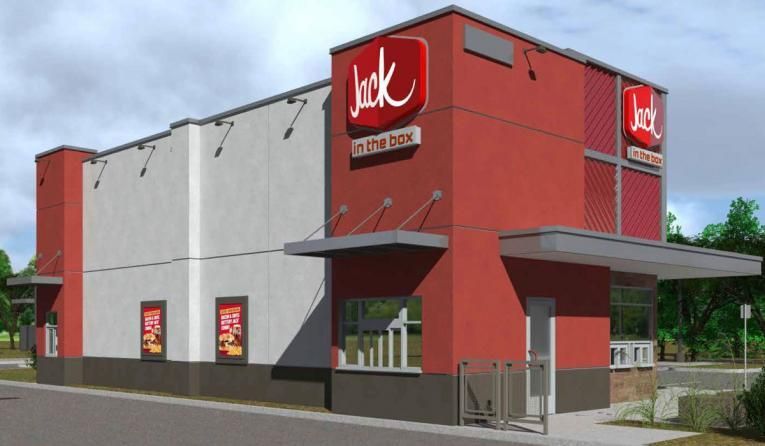
Pregnant "Jack in the Box" Employee Gets Fired After California Meal and Break Laws Were Violated

February 9, 2020
california meal and break laws, california meal break law, wage theft

Then gets 1,440 hours of back pay…


Lawyers for Employment & Consumer Rights (LFECR) fights for you every day—and we’re here to report another win… this time a settlement and back pay for a California mother. 


Here are the details...


Paula Lopez, a pregnant, low-wage fast food worker at a California Jack in the Box recently had her wages stolen and her job taken. Unfortunately, Paula Lopez is not alone. Violations to California Meal and Break Laws, and Family and Medical Leave Act (FMLA) violations are rampant in the restaurant industry. In fact, various types of wage and hour violations, as well as wrongful termination firings, happen thousands of times a year and most of these violations go unpunished. But in Paula Lopez’s case, justice was served.


The Jack in the Box franchise agreed to pay the equivalent of 1,440 hours in back salary to settle a matter involving their long-time employee Paula Lopez, allegedly a victim of wage theft and then fired when she was 5-months pregnant. Unlike the many California fast food workers that are unwitting victims of wage theft, Paula knew something was wrong. She decided to learn more about her rights and ask for help. Paula called Lawyers For Employee & Consumer Rights at 844-697-4448 for a free case review.

5-months pregnant and fired… how did this happen?

In her fifth month of pregnancy, Paula used a sick day. On the following day Paula was fired. Allegedly the Jack in the Box franchise management staff where she worked knew that Paula was pregnant and knew that she was taking days off because she was pregnant. In most U.S. workplaces, firing someone due to being pregnant is a violation.


According to the U.S. Department of Labor, The Family and Medical Leave Act entitles eligible employees of mandated employers to take unpaid, job-protected leave for specified family and medical reasons.

Denied meal and rest breaks? It’s called wage theft.

In addition to being fired unfairly, Paula was also not granted all of her lunch breaks or rest breaks. When fast food restaurants deny an employee meal or rest breaks, they are literally stealing money from their employees. It’s called wage theft—when an employer does not pay or underpays employees for time worked.


Wage theft by employers can be any of the following:

  • Paying less than the minimum wage
  • Paying the tipped minimum wage for non-tipped work tasks
  • Refusing to provide overtime pay
  • Failing to give workers meal breaks
  • Failing to give workers rest breaks
  • Requiring off-the-clock work

Restaurant Industry Notorious for Wage Theft

Wage theft permeates the restaurant industry, from fast food restaurants to fine dining establishments. According to a recent New York Times editorial, the Department of Labor’s wage and hour division reported almost “84 percent of full-service restaurants it investigated had violated labor standards.” Indeed, the facts don’t lie, says Saru Jayaraman, co-founder and co-director of the Restaurant Opportunities Center United, “The poorest workers in America are being stolen from the most.” The Institute for Policy Research agrees, reporting that certain groups—women, minorities, non-U.S. citizens, and nonunion workers—are all more likely to suffer from wage theft.

The restaurant and fast food industries will continue to steal wages from employees for one simple reason: because they believe they can get away with it. Don’t let that happen.

Know Your Rights  |  Tell Us YOUR Story

Because California is an “at-will” employment state (employers are free to terminate employees at any time) employees think that they have no rights. Nothing could be further from the truth. Learn more about your employee rights. Contact us today.

Lawyers for Employee and Consumer Rights (LFECR) is a leading California employment law firm. With more than forty remote attorneys, LFECR is prepared to work on behalf of their clients anywhere in California.


If you believe your workplace rights have been violated, it’s important to call an experienced employment law firm that specializes in protecting workers’ rights.


Employment laws are broken by employers every day. Aggressive representation will empower you, opening the door to numerous options, including but not limited to filing a complaint with the proper governmental body, negotiating an out of court settlement, or if necessary, filing a lawsuit and representing you in court. Keep in mind, many employment disputes are resolved without a lawsuit or trial. That’s why selecting an experienced law firm like LFECR is a smart choice. Chances are they will negotiate the best possible terms and settlement for your case.


Reporting on workplace disputes, The Washington Post was clear: It’s smarter and safer “to consult with an employment expert before taking any action… go straight to an employment lawyer.”


By starting the process with an expert from LFECR, the strongest and most effective path to your success will be taken from the outset—using the power of the law in YOUR favor. Consulting with an LFECR attorney will help you make informed decisions about the best way to proceed with your case.

Share on Social Media

May 5, 2026
Can your employer legally fire you after you return from military service? In most cases, no. Federal law protects service members from job loss tied to their military obligations, and that protection is broader than most people realize. If you were fired due to military obligations, or treated worse after coming back from active duty, your employer may have crossed a line that carries real legal consequences. The problem is that wrongful termination of military personnel rarely looks like an open admission. It usually shows up as a sudden restructuring, a vague performance issue, or a position that was "eliminated" while you were away. By the time you piece it together, weeks have passed and evidence starts to disappear. That is why the steps you take in the first days after coming home matter so much.
April 28, 2026
What should you know about unemployment benefits in California before you file a claim? If you were recently laid off or terminated, the first thing to understand is that unemployment benefits in California are not automatic. You have to qualify based on how you lost your job, how much you earned, and whether you’re actively looking for work. The system is run by the California Employment Development Department (EDD), and they review every claim carefully. If something doesn’t line up - your reason for termination, your wages, or your job search activity - your claim can be delayed or denied.  The second thing to know is timing matters more than most people realize. Filing late, entering incorrect information, or misunderstanding your eligibility can cost you weeks of benefits. A lot of workers assume the process is simple. It’s not. It’s administrative, detailed, and strict. If you treat it casually, you can lose money you would have otherwise received.
April 21, 2026
How do you recognize workplace discrimination in California, and what should you do if you think it’s happening to you? Workplace discrimination in California is not always obvious. It’s often subtle, repeated over time, and explained away as “business decisions.” But the law is clear. Employers cannot treat you differently because of protected characteristics like race, gender, age, disability, religion, sexual orientation, or medical condition. If your treatment at work changes in a negative way and there’s a pattern tied to one of those factors, that’s where you need to start paying attention.  Understanding workplace discrimination means looking at behavior, not just isolated events. One comment might not be enough. But repeated actions, being passed over, disciplined differently, excluded, or pushed out, can point to a larger issue. The problem is that many employees wait too long to act because they’re unsure what counts or they assume they’re overreacting. That delay can make it harder to prove what actually happened.
More Posts